Coconut Tree Embroidery Design Review
As a seasoned embroidery designer who has spent countless weekends setting up booths at craft fairs and managing online handmade shops, I know that the difference between a product that gathers dust and one that sells out often comes down to the design choice. Today, I am putting the Coconut Tree Embroidery Design under the microscope. This specific machine embroidery design is marketed as a beautifully crafted option for adding a professional touch to various projects. But does it translate well from a digital file to a physical product that customers will stop to admire? Let's dive into how this Forest-themed Embroidery asset performs in the real world of handmade sales.
First Impressions: Tropical Charm Meets Craft Fair Aesthetics
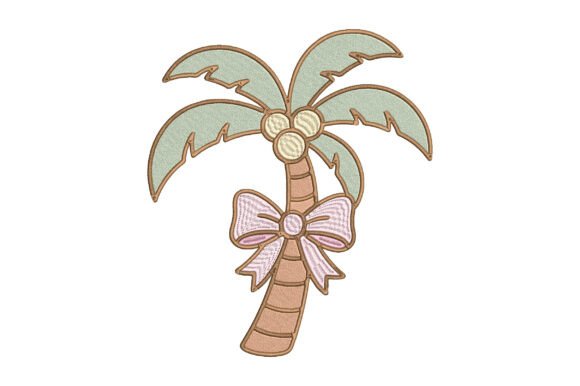
When I first load the Coconut Tree Embroidery Design onto my hoop, the immediate vibe is distinctly tropical yet versatile. It doesn't feel overly rustic or strictly farmhouse; instead, it strikes a balance between decorative elegance and a playful, vacation-ready aesthetic. For an Etsy seller or a boutique maker, this design offers a "premium" feel without being intimidatingly complex. The silhouette of the tree suggests a strong focal point, which is crucial when you are standing behind a table crowded with other handmade products. In a sea of floral patterns and geometric shapes, a palm or coconut tree stands out as a unique narrative element, instantly signaling warmth and summer vibes to potential buyers.
Evaluating Product Potential for Your Booth
The true test of any embroidery file is its versatility across different mediums. Here is how the Coconut Tree Embroidery Design performs on specific items that are staples of the craft fair circuit:
- Tote Bags and Market Bags: This is likely the strongest application for this design. On a sturdy canvas tote bag, the Coconut Tree Embroidery Design acts as a bold statement piece. Customers love carrying bags that tell a story, and a tropical tree fits perfectly with the eco-friendly, beach-loving demographic common at outdoor markets. The scale allows for a large, impactful look that catches the eye from several feet away.
- Apron Embroidery and Tea Towels: Kitchen textiles are high-volume sellers. Placing this design on a linen apron or a cotton tea towel creates a charming, homey atmosphere. However, because kitchen towels often have a textured weave, the stitch density must be managed carefully to ensure the details of the leaves and trunk remain crisp. As a tea towel embroidery option, it elevates a simple utility item into a giftable piece.
- Embroidered Patches and Caps: For smaller applications like caps or fabric pouches, the design needs to hold its integrity. If the file includes intricate leaf details, shrinking it too much for a patch might result in lost clarity. However, used as a medium-sized accent on the side of a cap, it adds a trendy, modern flair that appeals to younger demographics looking for unique streetwear accessories.
- Pillow Covers and Home Decor: Home goods are excellent for increasing your average order value. A pillow cover featuring the Coconut Tree Embroidery Design can serve as a centerpiece for a bedroom or living room display. It works particularly well on neutral fabrics, allowing the thread colors to pop and draw attention to the craftsmanship.
Production Practicalities: What You Need to Know Before Stitching
Before you commit to batch production for your next weekend market, there are critical technical considerations. As a designer reviewing this file, I advise you to prioritize testing. Never skip the step of stitching a test run on scrap fabric that matches your intended final material. The Coconut Tree Embroidery Design may feature dense areas where the palm fronds overlap. If the stitch density is too high without proper adjustment, you risk puckering, especially on lighter fabrics like quilting cotton or thin linens.
You must also consider the stabilizer. For textured items like terry cloth towels or thick canvas totes, a cut-away stabilizer is essential to support the weight of the stitches and prevent the design from sinking into the fabric texture. Conversely, for delicate items like silk blends or fine cottons, a tear-away might suffice, but always check the back of the finished product to ensure no loops are visible. Furthermore, verify the hoop size requirements. If the design is intended for a 5x7 hoop but you are trying to fit it into a 4x4, you may lose the base of the tree or the full spread of the leaves, ruining the composition.
Visual Appeal and Customer Engagement
In the competitive landscape of small shop products, visual appeal drives sales. The Coconut Tree Embroidery Design excels in creating a cohesive brand identity if you are building a collection around nature or travel themes. When displayed correctly, the design enhances the perceived value of the finished product. A plain tote bag costs five dollars; a tote bag with a professionally embroidered, high-quality tropical tree feels like a twenty-dollar artisanal gift. This perceived value is what justifies higher price points at craft fairs.
Photography is another key factor. This design photographs exceptionally well due to its organic lines and natural subject matter. For your Etsy listings or social media marketing, the contrast between the green and brown thread colors against a white or cream background creates a clean, inviting image. Using printable mockups to showcase the design on various products before you even sew them can help you gauge customer interest and plan your inventory more effectively. Remember, customers buy with their eyes first; if your photos show a crisp, detailed Coconut Tree Embroidery Design, they are more likely to click "Add to Cart."
Designer Notes for Success
To ensure your commercial embroidery venture succeeds with this design, keep these practical tips in mind:
- Check Thread Contrast: Ensure the thread colors you choose provide enough contrast against your fabric. Dark greens on dark navy fabric may disappear, while bright yellows on white might lack depth.
- Review Spacing: Leave adequate space around the design so it doesn't feel cramped. On a small pouch, the tree should breathe rather than touch the edges.
- Confirm Licensing: Always confirm the commercial licensing terms of the digital embroidery file. Ensure you are permitted to sell finished products made with this design, whether at a local fair or on a global platform.
- Create Real Mockups: While digital previews are helpful, nothing beats holding a real stitched sample. Create at least one physical mockup to assess the hand-feel and drape of the fabric after stitching.
Ultimately, the Coconut Tree Embroidery Design is a robust asset for creative entrepreneurs. It balances aesthetic charm with functional versatility, making it a strong contender for your next collection. By paying attention to fabric choices, stabilizers, and presentation, you can transform this digital file into a standout craft fair product that resonates with buyers and boosts your handmade business.