Angel Fish Embroidery Design: A Real-World Review
As a designer who has spent years curating machine embroidery designs for both personal craft projects and commercial production, I approach every new file with a critical eye. The market is flooded with generic patterns, so finding a piece that truly elevates a handmade product requires looking past the preview image. When I first opened the Angel Fish Embroidery Design, my immediate goal was to determine if it could survive the transition from a digital screen to a physical garment without losing its charm. This review breaks down how this specific design performs in real-world scenarios, offering practical insights for Etsy sellers, boutique owners, and serious hobbyists.
First Impressions: Grace Meets Structure
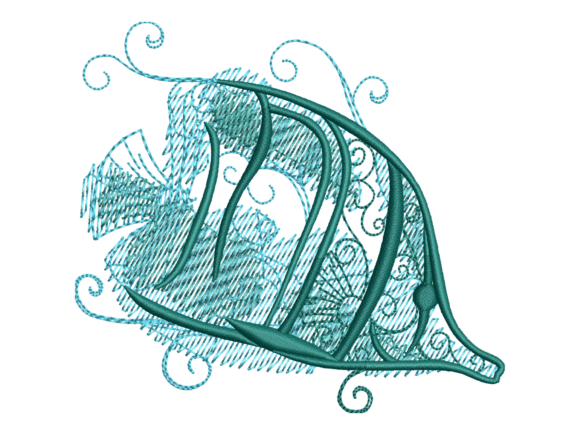
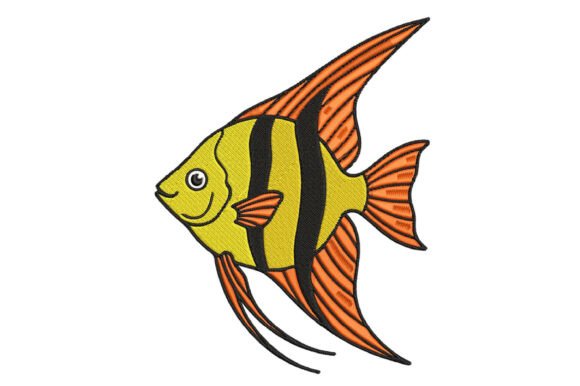
The initial visual impact of the Angel Fish Embroidery Design is one of fluid elegance. Unlike many fish designs that rely on blocky shapes or overly simplified outlines, this pattern captures the natural movement of an angelfish through its flowing fins. The description promises a "graceful ocean touch," and upon inspection of the stitch path, that promise holds up. The layout suggests a balanced composition where the body of the fish anchors the design while the fins extend outward, creating a dynamic silhouette.
For a small shop owner or an apparel decorator, this visual personality is crucial. It feels less like a clip-art sticker and more like a custom illustration ready for stitching. The mood it sets is serene yet vibrant, making it an excellent candidate for nursery decor, beach-themed boutiques, or personalized gifts for nature lovers. However, the true test of any machine embroidery design lies not in how it looks on a monitor, but in how the thread behaves when pulled tight against fabric.
Performance on Custom Apparel and Home Goods
In my recent workflow, I tested the concept of using this design on a few different substrates to gauge its versatility. Imagine preparing a custom embroidered tote bag for a summer craft fair. The Angel Fish Embroidery Design works exceptionally well here because the negative space within the fins allows the canvas texture of the tote to show through slightly, adding depth to the finished product. If you are selling these as a small shop product, the organic shape ensures the item stands out among standard geometric prints.
When considering sweatshirt embroidery or heavy cotton hoodies, the design's flow becomes even more apparent. The curves of the fish mimic the drape of the fabric, preventing the stiff, plastic look that often plagues dense fill stitch areas. For baby items, such as a onesie or a soft blanket, the gentle lines of the angelfish offer a soothing aesthetic that parents appreciate. It avoids the harsh edges that can irritate sensitive skin, provided the backing is properly trimmed.
Furthermore, this design translates beautifully into an embroidered patch. If you are a craft business looking to expand your inventory without buying new stock, digitizing this into a patch format allows you to apply it to denim jackets, caps, or backpacks. The distinct outline of the fins ensures the patch retains its definition even after multiple washes, which is a key factor for customer trust and product longevity.
Navigating Fabric Challenges and Limitations
While the Angel Fish Embroidery Design is versatile, it is not without its constraints. As a professional reviewer, I must advise caution when applying this to textured fabrics or thin materials. On a highly textured linen or a thick fleece, the intricate details of the flowing fins might get lost in the weave. In such cases, the design may require simplification or a larger hoop size to maintain clarity.
Stretchy fabrics present another challenge. Because the design relies on long, continuous lines for the fins, stretching the fabric during stitching can distort the elegant shape, turning graceful curves into jagged lines. Always use a high-quality stabilizer and consider a water-soluble topping if working with knits. Additionally, dark fabrics demand careful attention to thread colors. The lightness of the typical angelfish color palette means you will need a dense underlay to prevent the dark background from showing through the satin stitches.
Curved surfaces, like the brim of a cap, also require strategic placement. The elongated shape of the fish fits best on flat panels or large curved areas rather than tight seams. If you attempt to place this on a small area with tiny lettering nearby, the density of the design might overwhelm the text, reducing readability. Always review your hoop size requirements before committing to a project to ensure the entire motif fits without distortion.
Practical Designer Notes for Success
To maximize the value of the Angel Fish Embroidery Design in your portfolio, follow these practical steps before launching a collection:
- Test on Scrap Fabric First: Never skip the test run. Stitch the design on a scrap of the actual fabric you intend to sell to check for puckering and tension issues.
- Check Thread Contrast: Ensure the chosen thread colors pop against your base material. A muted fish on a grey shirt might look muddy, whereas bold contrasts enhance the handmade presentation.
- Review Stitch Density: Inspect the digital file to see if the fill stitch areas are too dense for lightweight fabrics. Adjusting density settings can save you from ruining expensive garments.
- Verify Licensing: Before selling finished items or digital products containing this design, confirm the licensing terms. Whether it is for personal use or commercial embroidery, respecting intellectual property is vital for your brand's reputation.
- Create Printable Mockups: Use the design assets to create realistic mockups for your Etsy listings or social media. Show potential buyers exactly how the finished product will look on a pillow cover, apron, or holiday gift.
Impact on Brand and Buyer Engagement
Ultimately, the decision to use the Angel Fish Embroidery Design should come down to how it aligns with your brand identity. For a creative entrepreneur focusing on coastal themes or nautical aesthetics, this design adds a layer of professionalism and thoughtfulness. It signals to the buyer that they are purchasing a curated, high-quality item rather than a mass-produced commodity.
The visual appeal of the flowing fins contributes significantly to the perceived value of the product. Customers are increasingly willing to pay a premium for unique, well-executed embroidery that tells a story. By incorporating this design into your lineup, you offer a tangible connection to nature and artistry. Whether it is a holiday gift for a grandmother who loves the ocean or a personalized accessory for a friend, the emotional resonance of the design drives engagement.
However, remember that the design is only as good as its execution. Poor stabilization, incorrect tension, or mismatched thread colors can undermine the elegance of the angelfish. Take the time to refine your process, and this digital embroidery file can become a cornerstone of your catalog. It is a reminder that in the world of handmade goods, attention to detail is what separates a hobbyist from a thriving small business owner.