Decorative Fish Embroidery: A Designer's Review
As a designer who has spent years curating assets for both personal projects and commercial lines, I approach every new machine embroidery design with a critical eye. The market is flooded with generic patterns, so finding a piece that truly elevates a handmade product requires careful evaluation. Today, I am reviewing the Decorative Fish Embroidery file to see if it holds up under the scrutiny of real-world application. This isn't just about whether the image looks good on a screen; it is about how the stitches translate onto fabric, how the design behaves in different hoop sizes, and ultimately, whether it adds value to your finished goods.
First Impressions: Mood and Visual Personality
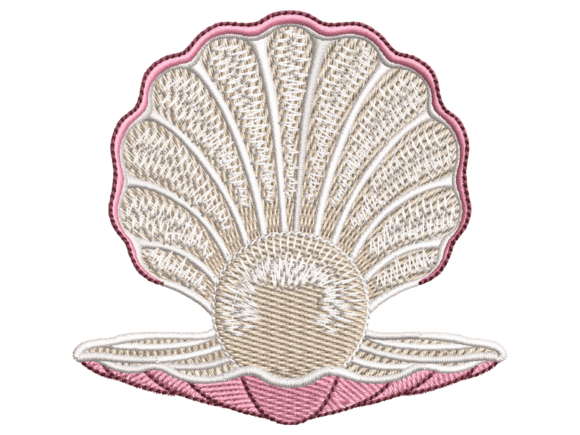
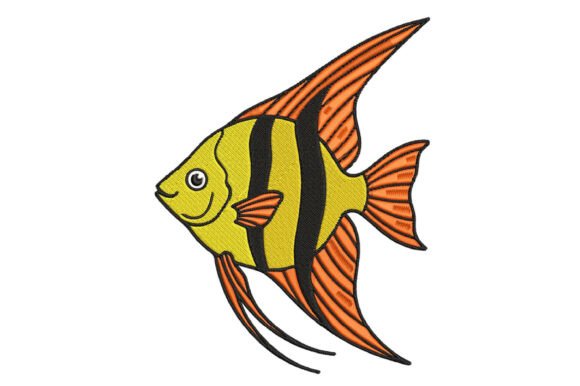
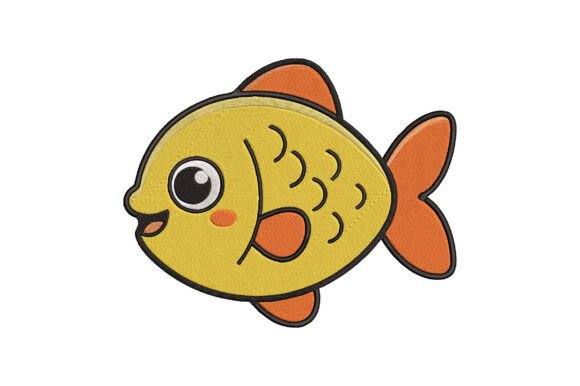
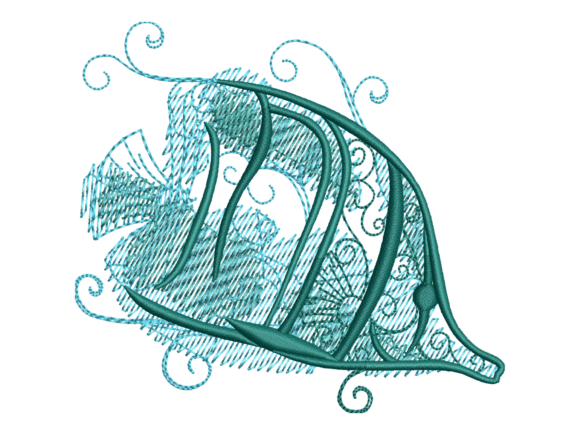
When I first loaded the preview of this embroidery file, the immediate impression was one of playful elegance. The Decorative Fish Embroidery does not attempt to be a hyper-realistic biological study. Instead, it leans into stylization, using flowing lines and balanced shapes that suggest movement without clutter. For an Etsy seller or a boutique owner looking to create a cohesive brand aesthetic, this kind of visual personality is crucial. It feels versatile enough to work as a standalone statement or as part of a larger underwater-themed collection.
The layout suggests a moderate level of detail. There are no microscopic elements that would vanish on a coarse weave, but there is enough intricacy to keep the eye engaged. The use of what appears to be a mix of fill stitch and satin stitch outlines gives the design depth. In my experience, designs that rely too heavily on satin stitching can look dated if not executed perfectly, while those with only fill stitching often lack definition. This particular asset seems to strike a balance, making it a strong candidate for custom apparel where clarity is key.
Real-World Application: From Screen to Stitch
To truly test the Decorative Fish Embroidery, I imagined integrating it into a specific project: a high-quality cotton tote bag for a summer craft fair. Tote bags are a staple for small shop products, but they present unique challenges due to their textured fabric and the need for durability. If I were to place this design on a natural canvas tote, the organic texture of the fabric would complement the fluid lines of the fish. The stitch density appears sufficient to cover the background without puckering the material, which is a common issue when working with heavier fabrics.
Consider also the potential for sweatshirt embroidery. Placing a stylized fish on the chest pocket area of a heavyweight hoodie could create a trendy, streetwear-inspired look. The design's shape allows it to sit comfortably within a standard 5x7 inch hoop, avoiding the need for complex multi-hoop setups that can frustrate customers waiting for personalized gifts. For baby embroidery, such as on a onesie or a soft blanket, the rounded edges of the fish motif ensure there are no sharp points that might irritate sensitive skin, adding a layer of practical safety to its aesthetic appeal.
For those creating embroidered patches, this design offers excellent potential. The defined outline makes it easy to cut out cleanly after stabilizer removal. Whether you are selling these as holiday embroidery items or as part of a limited-run commercial embroidery collection, the versatility of the Decorative Fish Embroidery allows it to fit into various seasonal themes, from spring renewal to ocean conservation campaigns.
Navigating Challenges: Fabric and Hoop Considerations
While the design is robust, every digital embroidery file has limitations that a professional must respect. One area requiring caution is the use of thin or stretchy fabrics. If you attempt to embroider this on a lightweight silk blouse or a jersey knit t-shirt without the proper stabilizer, the tension from the dense areas of the fish body could cause significant distortion. Always test the design on scrap fabric first to gauge how the thread pull affects the grain of your material.
Another consideration is the hoop size. While the design fits well in medium hoops, shrinking it down too much for a cap or a small accessory can compromise the integrity of the details. Tiny lettering or fine lines in the fins might merge together if scaled below a certain threshold. Conversely, stretching it too large on a pillow cover might reveal gaps in the fill stitch pattern if the stitch count is not optimized for expansion. As a rule of thumb, always check the recommended dimensions before committing to a finished product.
Dark fabrics also demand attention. The default thread colors shown in the preview might be designed for light backgrounds. When moving to a navy blue sweatshirt or black apron, you will need to adjust the color palette to ensure contrast. Without sufficient contrast, the Decorative Fish Embroidery may lose its visual impact, appearing muddy rather than vibrant. Using a water-soluble topping can help prevent dark fibers from showing through lighter threads, ensuring a crisp final look.
Strategic Value for Craft Businesses
For the creative entrepreneur, the true value of a design lies in its ability to drive sales and build brand recognition. The Decorative Fish Embroidery offers a distinct visual hook that separates your work from mass-produced alternatives. In a crowded marketplace like Etsy, having a unique tote bag design or a signature pillow cover motif can significantly boost buyer engagement. Customers appreciate the tactile quality of machine embroidery, and a well-executed design signals professionalism and care.
This asset also serves as an excellent tool for creating printable mockups. Before investing time in stitching, you can generate realistic images of the design on various products to showcase in your listings. This helps manage customer expectations and reduces return rates. Furthermore, if you are planning to sell the physical items, understanding the licensing terms is essential. Since this is a digital product delivered in ZIP or RAR format with instant download, remember that there are no returns or refunds. Always confirm the license agreement to ensure you are permitted to sell finished items or use the design for commercial embroidery purposes.
Practical Designer Notes for Success
To get the most out of the Decorative Fish Embroidery, follow these practical steps:
- Test Run: Never skip the test stitch on a similar fabric swatch. Check for puckering, thread breaks, and alignment issues.
- Stabilizer Selection: Use a heavy-duty cutaway stabilizer for knits and woven fabrics that require support, especially if the design includes dense fill stitch areas.
- Color Planning: Create a color chart for both light and dark fabric scenarios. Ensure the thread colors provide enough contrast for visibility.
- Licensing Check: Verify that the license allows for the production of handmade products for sale. Do not assume commercial rights unless explicitly stated.
- Hoop Management: Secure the fabric tightly to prevent shifting during the stitching process, which is critical for maintaining the symmetry of the fish shape.
In conclusion, the Decorative Fish Embroidery is a thoughtful addition to any designer's library. It balances artistic flair with technical feasibility, making it suitable for a wide range of applications from personalized gifts to small business merchandise. By respecting the nuances of fabric choice, stabilization, and scaling, you can transform this digital asset into a tangible, high-quality product that resonates with customers and enhances your brand identity.